
This article provides general education and is not a diagnosis or an individualized treatment plan. Medication, laboratory, and symptom concerns should be discussed with your qualified healthcare team.
When a GLP 1 medication reduces appetite, eating less may happen with very little effort. That can feel like a relief after years of struggling with hunger or weight. At the same time, a much smaller appetite can make it harder to consume enough protein, fluid, fiber, vitamins, and minerals.
The most effective nutrition plan is not simply the smallest amount of food you can tolerate. It is a plan that works with your changing appetite while helping you maintain energy, digestive comfort, hydration, and lean mass. That requires intention, especially on days when food feels less appealing.
Appetite reduction changes the nutrition job
Prescribed GLP 1 medications can reduce appetite and slow stomach emptying. Some people feel comfortably satisfied with smaller meals, while others experience nausea, constipation, reflux, or fullness that lasts for hours. As total intake falls, every meal has to carry more of the nutritional load.
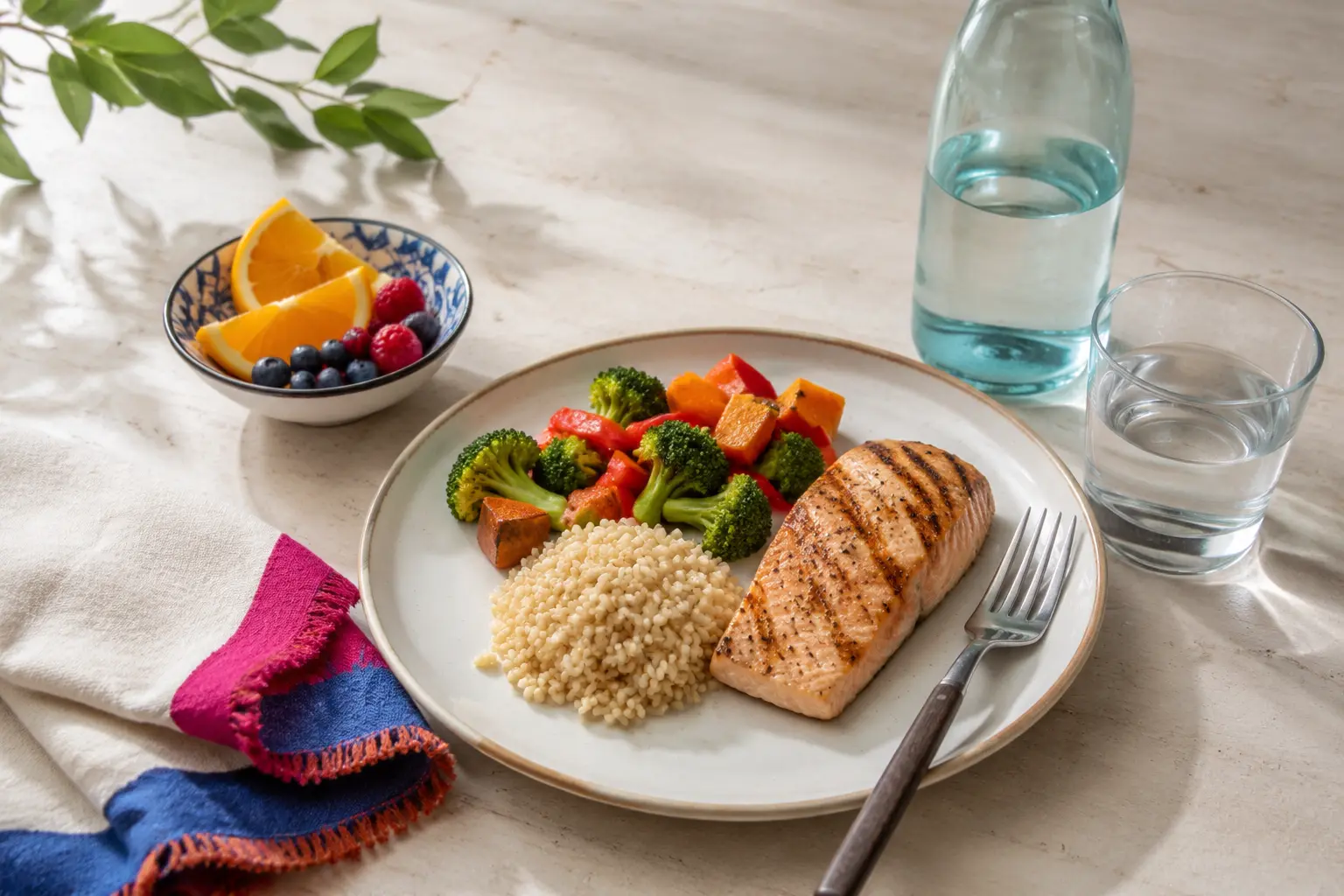
This does not mean forcing yourself through a large plate. It means choosing smaller meals that are nutritionally purposeful and prepared in forms you tolerate. On a low appetite day, eggs with toast and fruit, yogurt with berries and chia, or fish with rice and cooked vegetables may be more manageable than a large raw salad or a heavy restaurant meal.
Build protein into the meals you can manage
Protein is often the first nutrient to become inconsistent when portions shrink. One practical solution is to choose the protein source before building the rest of the meal and eat some of it early, before fullness becomes strongest. Eggs, fish, poultry, tofu, Greek or fortified soy yogurt, cottage cheese, beans, lentils, and carefully selected convenience foods can all contribute.
If a full meal feels uncomfortable, smaller meals or planned snacks may work better. Texture also matters. A smoothie, soup, soft egg dish, or tender fish may be easier to manage than dry meat. Protein needs should still be personalized to body size, activity, lean mass goals, kidney function, and overall intake. More is not automatically better, and protein should not crowd out every other food group.
Hydration needs a schedule
Hydration can quietly fall along with food intake. Thirst may feel less noticeable, nausea can make drinking unappealing, and large amounts of fluid at meals may increase fullness. Waiting until evening to catch up often leads to discomfort and still may not meet your needs.
A simple schedule can help: drink after waking, keep fluids visible during the day, and take regular sips between meals. If drinking with food worsens reflux or early fullness, shift more of your fluid intake between meals. People with heart failure, kidney disease, low sodium, or a prescribed fluid limit should follow their medical plan rather than a generic target.
Fiber should increase gradually
Constipation is a common concern, so it is tempting to add a large fiber supplement or several servings of raw vegetables all at once. For someone already experiencing slow digestion, that sudden increase may create more bloating, pressure, or discomfort. Fiber works best when it is increased gradually and paired with adequate fluid.
Start with tolerable foods and portions, then observe how your body responds. Cooked vegetables, oats, kiwi, beans, chia, or ground flax may fit for some people, but there is no universal list. Gastroparesis requires specialized guidance and may call for lower fiber, lower fat, softer, or smaller meals. Persistent vomiting, inability to maintain fluids, severe abdominal pain, or worsening symptoms should be reported promptly.
Your prescriber still manages the medication
Nutrition care and prescribing care have different roles. A nutrition professional can help you structure meals, protect nutrient intake, respond to digestive symptoms, and adjust your food plan as your appetite changes. Medication dose, timing, continuation, and discontinuation remain the responsibility of the prescribing clinician.
Contact that clinician when side effects are significant, food or fluid intake is inadequate, or weight is falling faster than expected. The goal of treatment is not to tolerate worsening symptoms in silence. It is to use the medication safely while building eating habits that can support your health beyond the next weigh in.